Author page: ukdadmin

Garnet

Garnet

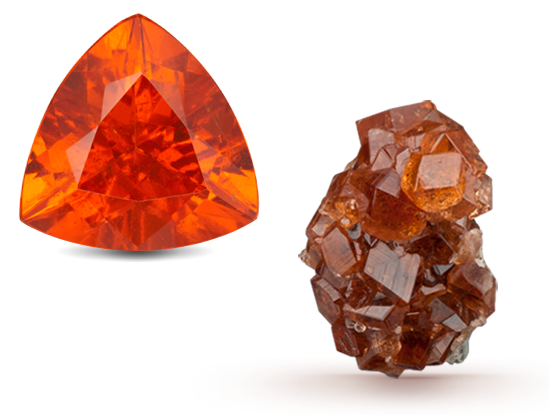
Red garnets have a long history, but modern gem buyers can pick from a rich palette of garnet colors: greens, oranges, pinkish oranges, deeply saturated purplish reds, and even some blues. Red garnet is one of the most common and widespread of gems. But not all garnets are as abundant as the red ones. A green garnet, tsavorite, is rarer…

Read more

Emerald

Emerald

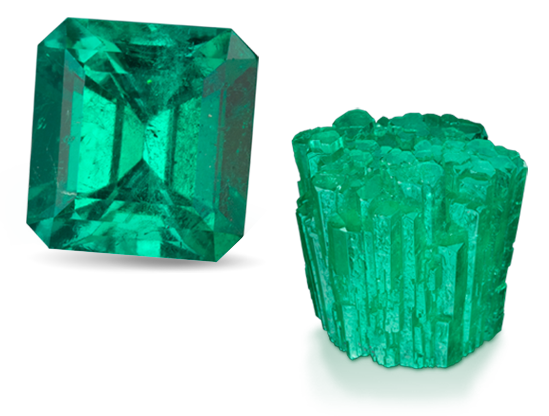
Gem experts differ on the degree of green that makes one stone an emerald and another stone a less-expensive green beryl. Most gemologists, gemological laboratories, and colored stone dealers call a stone green beryl when its color is “too light” for it to be classified as emerald. Even among that group, however, there’s a difference of opinion about what’s considered…

Read more

Fancy Color Diamond

Fancy Color Diamond

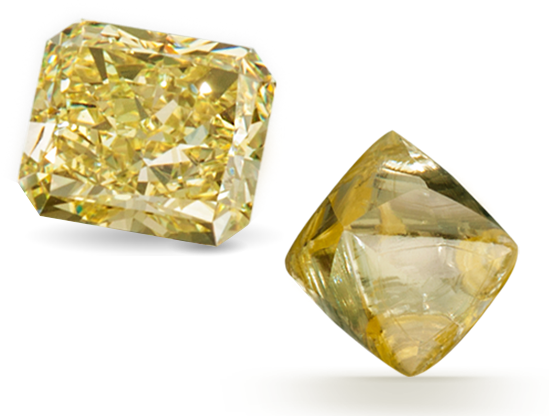
Gem diamonds in Delta Gem’s D-to-Z range usually decrease in value as the color becomes more obvious. Just the opposite happens with fancy color diamonds: Their value generally increases with the strength and purity of the color. Large, vivid fancy color diamonds are extremely rare and very valuable. However, many fancy diamond colors are muted rather than pure and strong.…

Read more

Diamond

Diamond

Diamond forms under high temperature and pressure conditions that exist only about 100 miles beneath the earth’s surface. Diamond’s carbon atoms are bonded in essentially the same way in all directions. Another mineral, graphite, also contains only carbon, but its formation process and crystal structure are very different. Graphite is so soft that you can write with it, while diamond…

Read more

Citrine

Citrine

Citrine is rare in nature. In the days before modern gemology, its tawny color caused it to be confused with topaz. Today, its attractive color, plus the durability and affordability it shares with most other quartzes, makes it the top-selling yellow-to-orange gem. In the contemporary market, citrine’s most popular shade is an earthy, deep, brownish or reddish orange. Iron A…

Read more

Aquamarine

Aquamarine

Aquamarine’s name comes from the Latin for seawater and it was said to calm waves and keep sailors safe at sea. March’s birthstone was also thought to enhance the happiness of marriages. The best gems combine high clarity with limpid transparency and blue to slightly greenish blue hues. Like many beryls, aquamarine forms large crystals suitable for sizable fashioned gems…

Read more

Ametrine

Ametrine

Whether projecting from pegmatite walls or encrusting cavities in volcanic rock, quartz abounds worldwide. People have used quartz in jewelry for thousands of years. When quartz displays the colors of amethyst and citrine in a single gem, the material is called ametrine or amethyst-citrine. Ametrine’s only commercial source is the Anahi mine in Bolivia. No place else There is only…

Read more

Amethyst

Amethyst

Amethyst was as expensive as ruby and emerald until the 19th Century, when Brazil’s large deposits were discovered. It was believed to prevent intoxication—amethystos means “not drunk” in ancient Greek. Today, as the most valued quartz variety, amethyst is in demand for designer pieces and mass-market jewelry alike, and its purple to pastel hues retain wide consumer appeal. St. Valentine…

Read more

Amber

Amber

The Greeks called amber elektron, or “made by the sun.” Homer praised its bright glow. The Egyptians buried it in tombs for the afterlife. Today’s scientists value amber too: it provides a three-dimensional window into prehistoric ecosystems through the myriad animal and plant inclusions it contains. 320 million The oldest amber dates to the Upper Carboniferous Period (approximately 320 million…

Read more

Alexandrite

Alexandrite

Often described by gem aficionados as “emerald by day, ruby by night,” alexandrite is the very rare color-change variety of the mineral chrysoberyl. Originally discovered in Russia’s Ural Mountains in the 1830s, it’s now found in Sri Lanka, East Africa, and Brazil, but fine material is exceptionally rare and valuable. 1830 The year alexandrite was discovered in Russia’s Ural Mountains.…

Read more

December

December

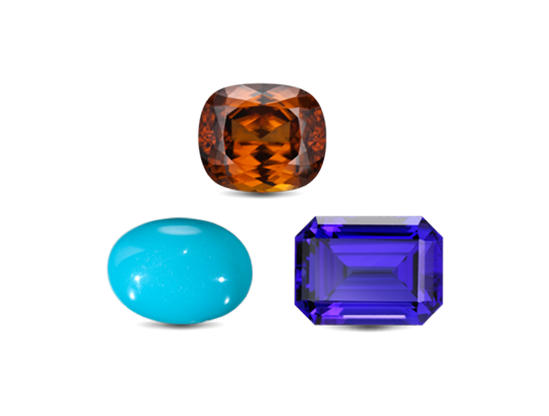
Turquoise, tanzanite and zircon are the three birthstones for December. These December birthstones are mined around the world and all have their own unique take on the color blue, allowing you to choose the birthstone that best fits your style. Learn more about their history and where they can be found.

Read more

November

November

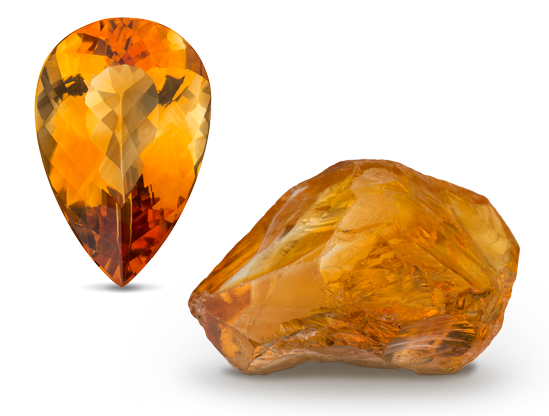
Topaz and citrine are the two birthstones for November. Both are fairly abundant making them affordably priced. These two November birthstones are known for their calming energies and can be found around the world. Learn more about these birthstones so that you can pick the perfect one for yourself or a loved one.

Read more